Properties of Wool

Wool is the most reused and recycled fibre

Fire Resistant

UV Resistant

Wrinkle Resistant

Innovative

Naturally Breathable

Naturally Elastic

Easy to care for

Stain Resistant

Warm and Cool

Odour Resistant

Soft on Skin

100% Natural

100% Biodegradable

100% Renewable
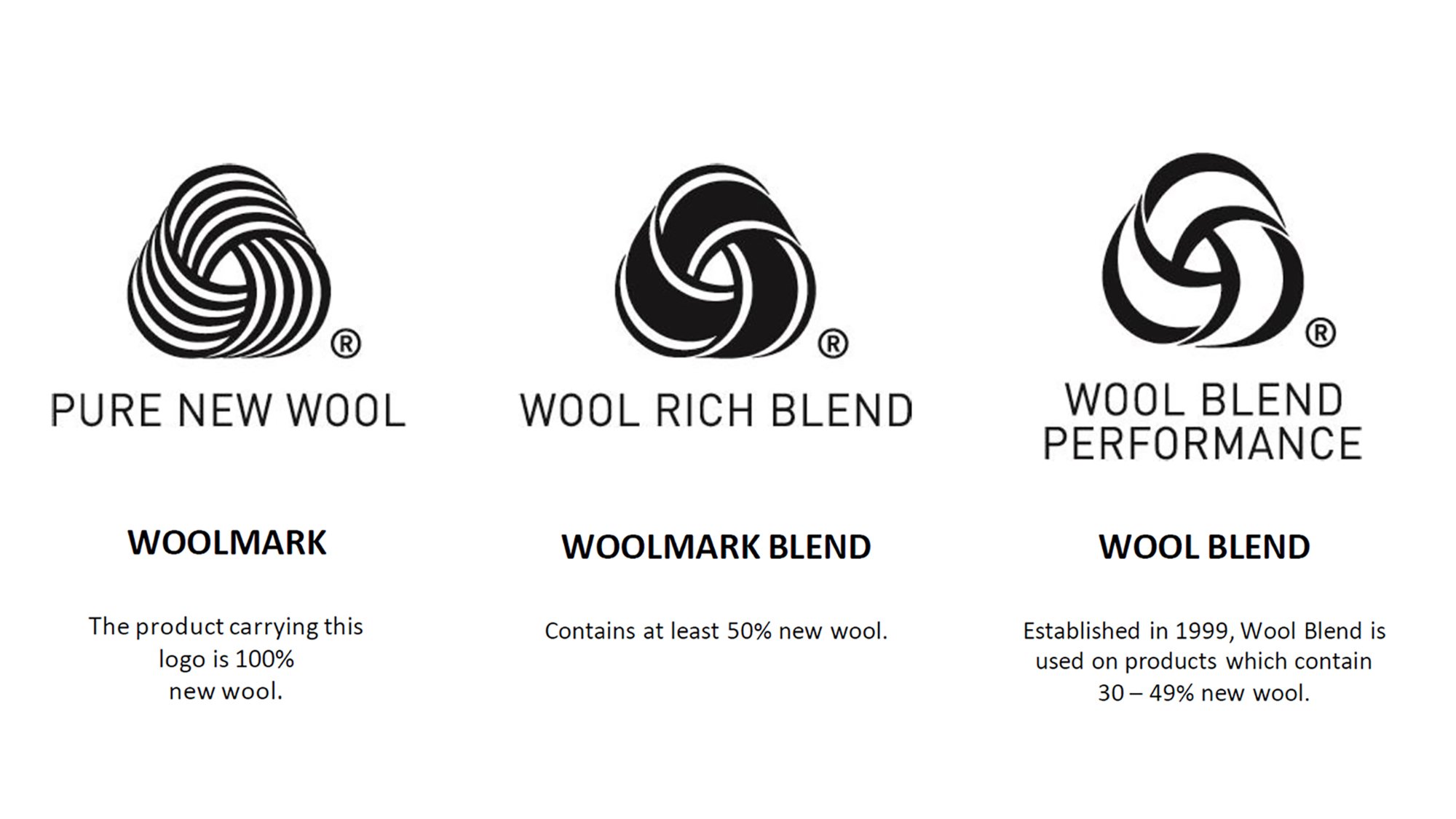
THE WOOLMARK LOGO
Wool Processing
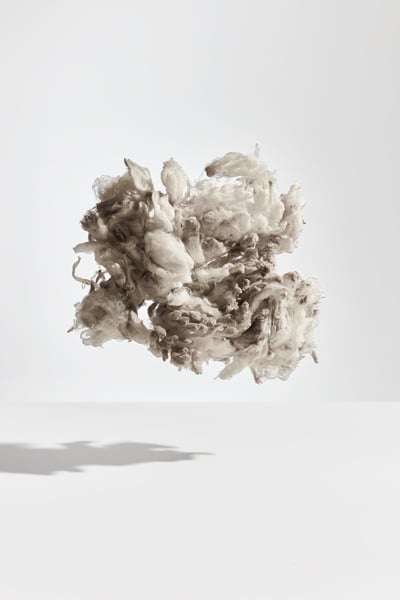
1. Greasy Wool
Greasy wool is the raw fibre harvested from sheep during shearing, before it is cleaned during the scouring process. Greasy wool is sometimes called 'raw' wool.
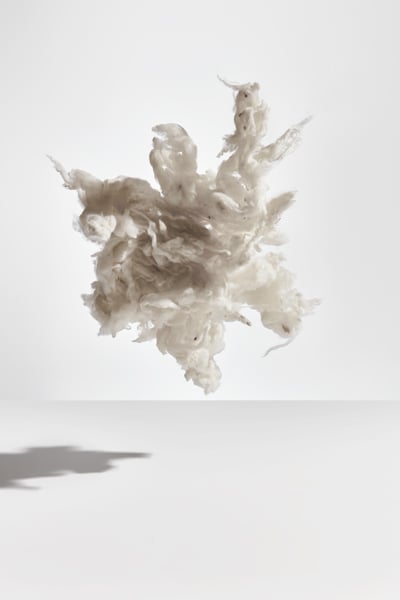
2. Scoured Wool
Sourced wool is the term given to greasy wool that has been washed to remove contaminants, such as dirt, dust, sweat (suint) and wool grease. The wool grease is recovered and from it lanolin is extracted and used in products, such as cosmetics.
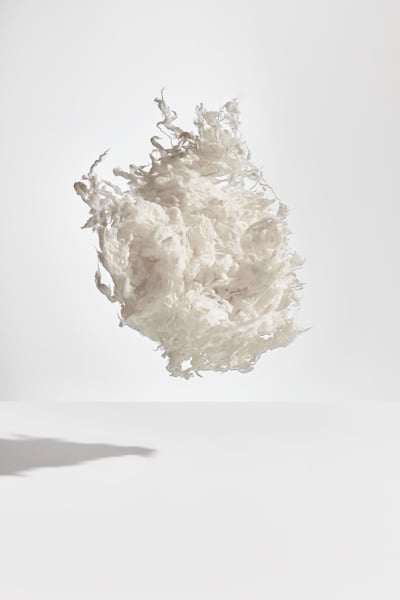
3. Carbonised Wool
Carbonised wool has undergone an additional cleaning process (carbonising) to remove vegetable matter, such as seeds, burrs and grass. Carbonising is only used in the woollen processing system, not the worsted processing system.
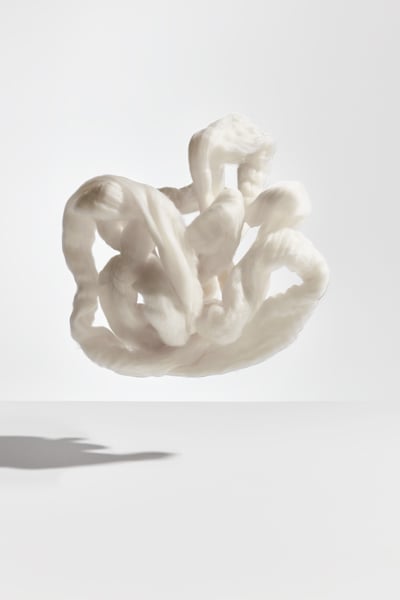
4. Wool Top
In the worsted processing system, three steps - carding, gilling and combing - turn the scoured wool into a 'top' or combed sliver. This collection of aligned fibres, without twist, is now ready for spinning into yarn.
Product Innovations
Product Innovations
We drive uptake in new wool applications to promote reduced-impact end garments, offering brands and their customers an innovative edge.
Processing Innovations
Processing Innovations
We work with early-stage processors through to end garment makers to drive adoption of cleaner wool processes and technologies.
Sustainability in the supply chain
On farm
Australian woolgrowers work to preserve, protect and improve the natural resources of their farms; the waterways, valleys and hills, and native plants and animals. From feed supplements for sheep to improving a wool-growing property’s natural capital, discover what happens on farm to mitigate environmental impact in the Australian wool industry.
Supply chain
The latest sustainable innovations in wool processing focus on forward-thinking supply chain practices, from knitting technologies with minimised waste, to chemical free water resistant Optim spinning technology for fashion, sports apparel, protection wear and automotive industries.
Using wool
Wool garments are amongst the longest kept in the wardrobe, often living on through re-sale or change of ownership. Our Wardrobe Study investigates more than 1000 consumers from across the world. Wool can offer solutions to reduce our impact on the environment in the use phase through needing to wash less, and keep longer in our closets.
End of life
100% wool fabrics can biodegrade by 95% after 15 weeks of burial in soil but the rate varies with soil, climate and wool characteristics. Synthetic fibres, on the other hand, can be extremely slow to degrade and significantly contribute to the world’s overflowing landfills and microplastic pollution. Learn more about how wool can reduce microplastic pollution and why the lifecycle of textiles from cradle-to-grave needs to be considered in sustainability ratings.